
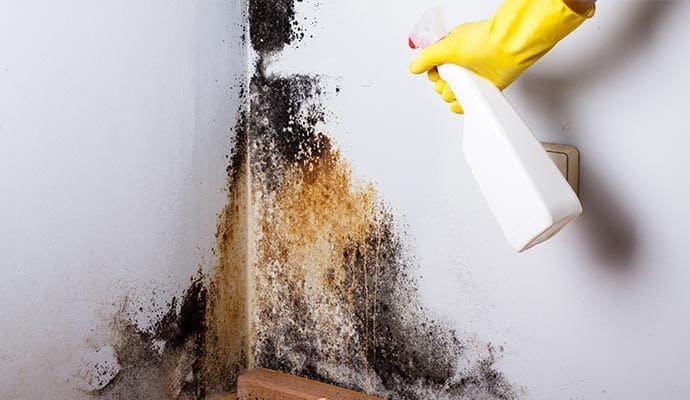
Mold detection is a critical component of any home inspection. With rising concerns about the health risks associated with mold, it is essential to make sure your living space is free from hidden toxins. Without proper testing and sampling, you may remain unaware of the presence of mold, which can lead to serious illnesses down the road.
In this article, we will discuss how to detect mold in your home. We will also explore the potential risks of undetected mold and how to protect yourself and your family from its hazardous effects.
What is Mold?
Mold is a common household nuisance, and it can be found in almost any indoor environment. It's a type of fungus that grows best in dark and humid conditions, and it helps to break down organic matter like wood, food, or fabric. While mold has an important role in the natural environment, it can become problematic when it takes hold inside your home.
There are several types of mold that can be found in the home, and they all require different treatments. The most common are Aspergillus, Cladosporium, Penicillium, Alternaria, and Stachybotrys chartarum (also known as black mold).
Humidity is also a factor in the growth of mold, and any home with a humidity level over 55% is at risk. It's important to keep an eye on the humidity in your home, as it can have an effect on the air quality and potentially increase the risk of developing allergies or respiratory problems.
Mold thrives in damp places, such as around plumbing fixtures, near windowsills, or under sinks. It can also be found in areas of the home where there has been a water leak or flood damage, so it's important to identify and fix any underlying issues that may be contributing to the growth of mold.
Health Risks Associated with Mold
Mold can be a serious issue in homes, especially if it goes undetected or is left untreated. Exposure to mold can cause allergies, respiratory issues, and other illnesses, particularly among those with compromised immune systems, such as children, the elderly, and those who suffer from asthma. If there's any suspicion of mold growth in the home, it's important to contact a professional for an inspection.
For example, a family had been living with mold in their basement for years without knowing it and were suffering from severe respiratory illness as a result. After we identified and removed the mold, their symptoms began to improve quickly. We take every precaution to make sure our customers are safe.
Visible Signs of Mold Infestation
Mold and mildew are both forms of fungi that can cause a variety of problems in your home. While mold and mildew are similar in some ways, they do have distinct differences.
Signs of Mold Growth
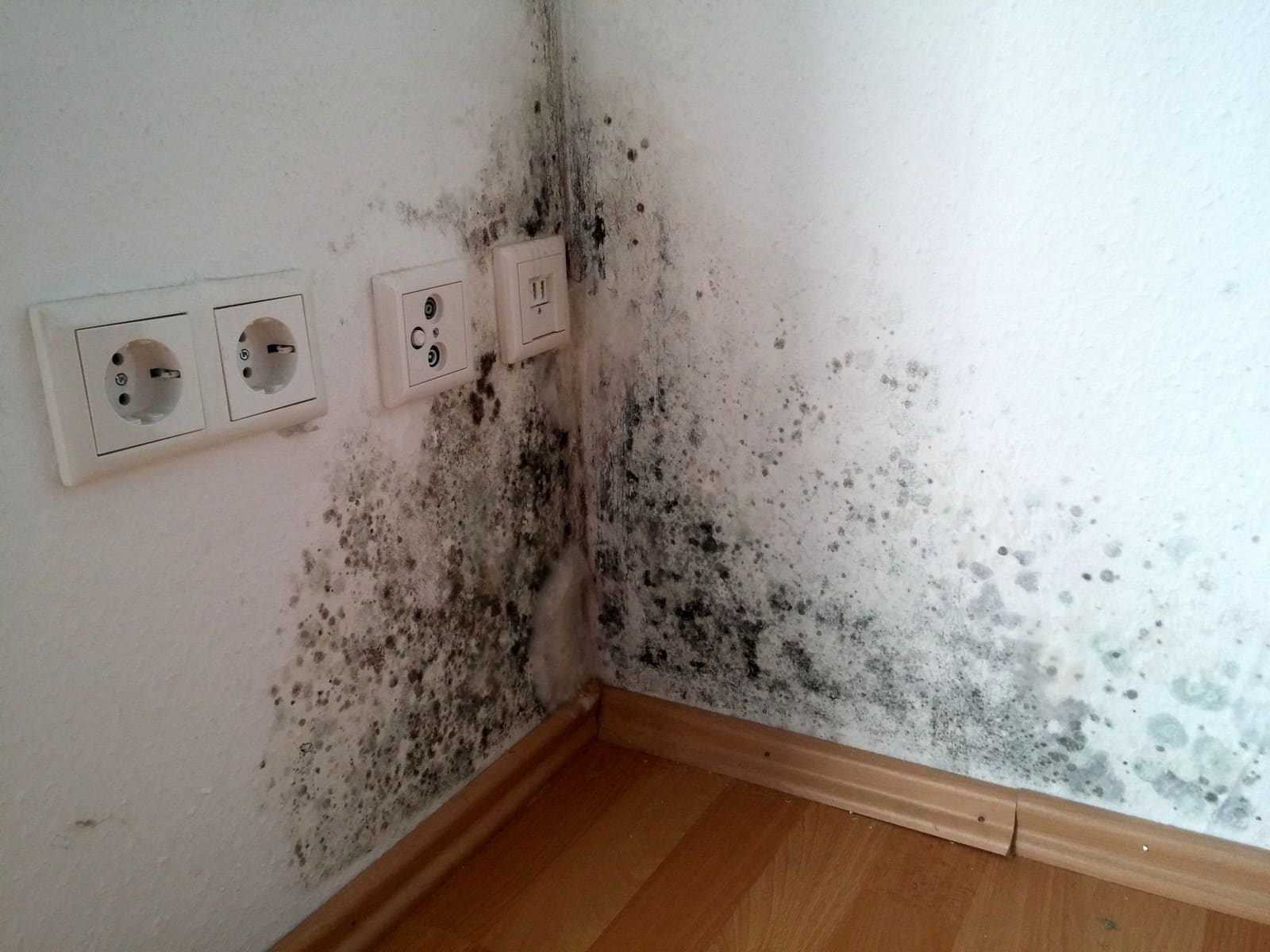
What is the best way to detect mold? The most common visual signs of mold growth include discoloration, a fuzzy appearance, and a musty smell. Mold spores vary in color, showing up from black to greenish or white. It usually appears in patches, although it may be scattered throughout an area if there is a large infestation. The texture of mold growth is often described as furry, slimy, velvety, or scaly.
If you suspect that mold is present in your home, always take the necessary steps to have it removed. Professional inspection and remediation services are a good way to detect mold. And it can help you identify and address the problem areas in order to keep your family safe from potential health risks.
Signs of Mildew Growth
Mildew has a white or gray dusty look on the surface, usually found in damp environments. It often appears in a powdery form or as small spots with frayed edges. Where to check for mold in a house? Mildew is most commonly found in bathrooms and damp areas of the home, such as basements and attics.
While mildew can often be mistaken for mold, there are several key differences between them. Mildew does not penetrate deep into porous materials like wood or drywall, whereas mold can. Additionally, mildew is usually easier to remove than mold since it has not had the same length of time to spread and cause damage.
Hidden Mold: Beyond the Visible
Mold growth can be a serious issue in homes, not only causing damage to the structure itself but also posing a threat to occupants' health. It is important to detect and remediate mold as soon as possible. Mold can hide in many places, such as behind walls, under carpets, in HVAC systems, and even in furniture. Usually, it takes the form of black, green, or white spots. A musty smell is often associated with mold growth. It can cause a variety of respiratory problems, such as allergies and asthma attacks if it goes undetected.
In addition to visual and olfactory signs, mold can also be detected through home inspections. Home inspectors are trained to find hidden mold, including testing for mold spores and moisture in the air. If a home inspector finds visible mold, they may recommend further testing to determine the extent of the problem. Even if no visible signs of mold are present, a home inspector can detect potential areas of growth by looking for high levels of humidity or water damage in the structure.
DIY Mold Detection Techniques
DIY mold detection techniques like visual inspection, smell tests, and home mold testing kits are great ways to detect and prevent the spread of mold in your home. Visual inspection involves looking for any visible signs of mold growth around windows, pipes, furniture, and other areas that have high humidity levels. You can also use your sense of smell to detect mold in the air. Additionally, home mold testing kits are available to help you determine if there is a problem.
Visual Inspection
Conducting a thorough visual check is an important part of any home maintenance routine. When inspecting your home, focus on common household areas such as windows, doors, walls and ceilings, baseboards and trim work, the interior of cupboards and closets, tile grout in bathrooms and kitchens, and plumbing fixtures and appliances.
Be sure to check all walls, floors, and ceilings for signs of water damage, such as stains, warping, or bubbling paint. You should also be aware of any cracks in the wall that could indicate a structural issue. Look out for areas where water may pool and cause further damage; these include drain pans underneath air conditioners and refrigerators, cabinets beneath sinks, and bathtubs or showers.
Inspect windows and doors for any air leaks, which can lead to higher energy bills. Make sure all locks are in proper working order, and check that the weatherstripping around doors is still intact. Additionally, be sure to inspect the roof for any damaged or missing shingles or tiles.
Smell Test
Mold can be identified by its distinct musty odor. The smell is produced by the growth of mold, which releases a gas called microbial volatile organic compounds (VOCs). In some cases, the smell can be faint, while in other cases, it can be more noticeable. For those with heightened sensitivity to smells, the odor can be especially strong.
In addition to its smell, mold can also cause health issues in humans, such as allergies or respiratory problems. If you suspect that there is mold present in your home, it is important to take steps to properly address and eradicate the problem before it worsens. To reduce health risks posed by mold, contact a professional who specializes in home inspection and mold remediation. They will be able to advise you on the best way to get rid of the problem quickly and effectively.
For those who are sensitive to smells, it is important to take extra precautions when dealing with mold. Make sure that all affected areas are properly ventilated or wear a mask while cleaning if necessary.
Home Mold Testing Kits
Doing a home inspection for mold? You may be tempted to use a do-it-yourself (DIY) mold testing kit. Here's what you should know about the reliability, types of tests and kits available, and tips to get the best results while conducting your own inspections.
Types of Mold Tests
There are two types of mold tests: air and surface. Air testing measures the amount of airborne mold spores in the atmosphere, while surface testing looks for visible signs of mold on walls and other surfaces. Many DIY kits offer both types of tests so that you can get a better picture of your home's mold situation.
Popular Mold Testing Kits
DIY mold testing kits come in a variety of shapes and sizes. Here's a quick look at some of the more popular products on the market:
- Pro-Lab MO109 Mold Test Kit: This kit comes with an easy-to-read color chart to help identify different types of mold. It includes an air sampling pump, swabs, and a pre-paid shipping label to send samples to the lab.
- Mold Armor Do It Yourself Mold Test Kit: This budget-friendly kit offers both air and surface tests. It's equipped with disposable gloves, a face mask, and other materials needed for testing.
- HomeMoldTest DIY Mold Testing Kit: This comprehensive kit includes an air pump, swabs, and sample envelopes to send samples to the lab. It also comes with detailed instructions for testing and analysis.
Tips & Precautions
When conducting a DIY mold test, it's important to take certain precautions:
- Wear protective gear such as a mask, gloves, and a protective suit when performing surface tests.
- Make sure to follow the instructions carefully and use the right materials for testing.
- Don't rely on the results of one test - instead, it's best to perform multiple tests in different areas of your home.
Professional Mold Inspection
Mold infestations are common problems in many homes and can cause significant health issues if left unchecked. But while mold is something we all need to be aware of, it's also something that requires the skills and expertise of a professional inspector. When you hire a certified professional mold inspector, they bring their extensive knowledge and experience in the field to identify potential problems and take appropriate action.
A professional mold inspector uses specialized tools and techniques to accurately diagnose any infestation. They have industrial-grade moisture meters, infrared cameras, sophisticated air sampling equipment, and access to high-powered microscopes that can detect even the smallest amounts of mold spores. These tools enable them to precisely determine if a mold problem exists and, if so, identify the source.
Prevention: Keeping Mold at Bay
To protect yourself and your family from these potential risks, it's important to take the necessary steps to prevent mold growth. This includes controlling humidity levels, proper ventilation, and regular home maintenance. Taking these precautions will help keep mold away and create a healthier environment.
Controlling Humidity Levels
When inspecting your home for humidity levels, you should use a hygrometer to measure the relative humidity. You'll want to aim for a relative humidity of between 30%-50%. If it is higher than 50%, this indicates too much moisture in the air and can cause mold growth. Open windows to get some air circulation, or use a dehumidifier to bring down the humidity level.
Proper Ventilation
Ventilating your home on a regular basis is critical for keeping excess moisture at bay. Make sure that all bathrooms, kitchens, and other humid areas have proper ventilation. This includes exhaust fans in bathrooms and kitchen hoods over the stove.
Regular Home Maintenance
Regular home maintenance is key for preventing mold growth. Clean regularly, check windows and doors for air leaks, and inspect your roof for any damage that could lead to water getting inside the house. Dehumidifiers, moisture absorbers, and air purifiers can also be used to help reduce the humidity levels in your home. Pay special attention to dark and damp areas where mold is more likely to grow.
Inspecting your home for excess humidity can help you create a healthy living environment. By following these steps and using the right products, you can ensure that all moisture levels stay at an optimum level and prevent mold growth in your home.
Mold-Free Living is a Click Away. Reach Out Now!
It is important to regularly inspect your home for mold. At Romexterra Restoration, we are your top source for mold removal and preventive services.
Here are some key takeaways:
- Take preemptive measures like using air purifiers, dehumidifiers, and proper ventilation to reduce the risk of mold growth.
- Keep an eye out for signs of potential water damage, such as discoloration on walls/floors or a musty smell in the air.
- Pay attention to any changes in air quality or the presence of new allergies.
- Take quick action if you notice any of these warning signs, contact professionals for a full inspection, and recommend remediation options as soon as possible.
With Romexterra Restoration, you can rest assured that our team is equipped with the knowledge and experience needed to remove mold safely from your home. Contact us today for a consultation and to learn more about our services!
< Older Post Newer Post >