

Mold is a type of fungus that thrives in moist and warm environments. As a result, it can easily grow in various areas of your home, including bathrooms, kitchens, basements, and attics. Despite its natural occurrence, mold can pose significant risks to your health and home. According to the Centers for Disease Control and Prevention (CDC) and the Environmental Protection Agency (EPA), mold exposure can cause eye irritation, respiratory problems, and other health issues.
This article will delve deep into mold growth, exploring how it can affect your and your family's health. We'll also provide an overview of why it's crucial to be aware of potential mold growth in your home and offer useful tips to prevent it. Finally, we'll discuss remediation and removal, providing valuable insights into selecting the right cleaning services and equipment for thorough mold removal. So, let's dive into the world of mold growth, prevention, and removal – and take action toward keeping your home free from the dangers of mold.
Health Risks
Exposure to mold poses significant health risks, ranging from mild allergic reactions to severe lung infections. Dampness, in particular, acts as a breeding ground for various types of mold, including toxic molds, such as Stachybotrys chartarum, known to cause hypersensitivity reactions and even allergic bronchopulmonary aspergillosis. According to the CDC, people with underlying health conditions such as asthma, allergies, or compromised immune systems are more susceptible to mold-related health problems, which include coughing, wheezing, shortness of breath, headaches, and other flu-like symptoms. Multiple studies have shown the correlation between mold exposure and negative health outcomes, with one study indicating that indoor molds may increase the risk of asthma by 30-50%. The health impact of different types of mold varies, with some molds producing toxins that affect the nervous system while others cause skin or lung infections or even cancer. It is, therefore, crucial to protect oneself from mold exposure by addressing any areas of dampness and promptly removing visible mold to minimize the risk of allergic reactions and respiratory problems.
Allergic Reactions
Allergic reactions to mold can range from mild eye irritation and respiratory symptoms to severe hypersensitivity reactions. People who are already medically compromised or have weakened immune systems tend to be more susceptible to mold allergies, particularly when exposed to airborne spores of black mold. In addition, research has shown that individuals with a genetic predisposition to allergies and asthma may experience more severe symptoms when exposed to mold. Therefore, to reduce the risk of potential long-term health complications, it is essential to seek medical attention promptly if you suspect exposure to black mold or experience any allergic reactions.
Respiratory Issues
Mold exposure can lead to various respiratory issues, such as asthma and other breathing problems. When inhaled, mold spores can irritate the lungs and cause inflammation, leading to coughing, wheezing, and shortness of breath. The link between mold and respiratory issues is well-documented. Studies have shown that individuals living in homes with high mold levels are more likely to develop asthma and other respiratory problems. Therefore, addressing mold in your home is important, such as keeping humidity levels low and ensuring proper ventilation by opening windows. Doing so can minimize your risk of developing respiratory issues associated with mold exposure.
Headaches and Fatigue
Exposure to black mold can be medically detrimental, causing various health issues, especially for individuals with hypersensitivity to dampness. One of the potential impacts of mold exposure is on energy levels and cognitive function. The toxicity of mold can lead to chronic fatigue syndrome and headaches and impair cognitive abilities, including memory, concentration, and learning. Furthermore, mycotoxins produced by certain strains of mold have been linked to neurological symptoms such as confusion, disorientation, and depression. The most common symptoms of mold exposure are headaches and fatigue, as inhalation of mold spores can cause inflammation and irritation of the nasal passages and sinuses. Thus, it is crucial to take mold exposure seriously and seek professional help to reduce the risk of long-term health issues.
Irritation
Exposure to mold in homes, especially in areas with high moisture and dampness, can irritate the eyes, nose, and throat. Eye irritation is commonly reported and may manifest as redness, itching, and watery discharge. Persons with allergies or asthma are especially susceptible to the effects of mold exposure due to their pre-existing susceptibility to respiratory problems. The link between mold and irritation is largely attributed to the release of spores, mycotoxins, and volatile organic compounds (VOCs), which can lead to respiratory tract inflammation and congestion. It is, therefore, important to prevent mold growth in homes and other indoor environments to reduce the risks of health complications associated with mold exposure.
Fungal Infections
Exposure to mold in damp environments poses a significant risk of fungal infections, particularly for medically vulnerable individuals with hypersensitivity to environmental allergens. Harmful toxic molds, such as Aspergillus and Stachybotrys, can cause debilitating respiratory issues and dermatitis, while other molds can result in various lung infections, sinuses, and skin infections. Types of infections that can result from mold exposure include allergic bronchopulmonary aspergillosis, invasive aspergillosis, sinusitis, and onychomycosis, among others. Therefore, it is crucial to prioritize environmental protection measures, such as proper ventilation and mold remediation, to prevent these infections and promote overall health and well-being.
Neurological Symptoms
Exposure to black mold and dampness can lead to various neurological symptoms, which the CDC has extensively studied. One of the most common symptoms associated with mold exposure is hypersensitivity, which causes patients to experience severe allergic reactions to the spores in the air. However, mold exposure can also cause more severe neurological symptoms such as memory loss and difficulty concentrating. This link between mold and neurological symptoms is because mold requires moisture to grow, and as it develops, it releases mycotoxins which can damage the nervous system. Medically, it's essential to recognize these symptoms and take appropriate measures to mitigate mold growth and prevent further damage.
Immunological Reactions
Mold exposure can significantly impact the immune system, particularly for those with hypersensitivities. Inhaling airborne mold spores can trigger immunological reactions, causing the body to produce antibodies and release histamines. This can lead to various breathing problems, including wheezing, coughing, and shortness of breath. Prolonged mold exposure can also impair the immune system's ability to defend against other environmental triggers, such as pollen. Furthermore, certain types of mold can produce mycotoxins, which can negatively affect the immune system and overall health. Therefore, it'sTherefore, it's essential to address mold growth promptly to prevent potential immunological consequences.
Toxicity From Mycotoxins
Exposure to mycotoxins, which are produced by certain types of toxic mold, poses a rare but serious risk to human health. Stachybotrys, Aspergillus, and Penicillium are mold species capable of producing mycotoxins, which can provoke respiratory issues, flu-like symptoms, and even neurological problems upon inhalation or ingestion. Moreover, prolonged exposure to toxic mold or dampness can cause harmful effects on both physical and mental health, including allergies, asthma, depression, and cognitive decline. While proper ventilation and exhaust fans can help prevent mold growth and reduce moisture levels, it is crucial to act promptly when toxic mold is detected to mitigate the risk of mycotoxin exposure.
Sudden Infant Death Syndrome (SIDS)
It is important to note the potential dangers of mold exposure, especially for infants and young children. While Sudden Infant Death Syndrome (SIDS) is rare, studies have shown a potential link between mold exposure and an increased risk of SIDS. Risk factors include the presence of high levels of indoor dampness and the presence of visible mold growth. Parents can reduce the risk of SIDS by keeping windows open to promote airflow and reduce dampness, regularly cleaning and maintaining ventilation systems, and promptly addressing any leaks or moisture issues in the home. It is crucial to take proactive steps to minimize the risks associated with mold exposure to protect the health and well-being of our little ones.
Structural Damage
The presence of mold in a home can pose significant threats to the property's structural integrity and its occupants' health. Dampness or excess moisture is the primary cause of mold growth, and if left unaddressed, it can lead to harmful toxic mold that can cause respiratory problems, allergies, and other health issues. Long-term mold exposure can also weaken the structural foundation of a home, potentially causing damage to walls, ceilings, and floors. Mold can decrease the value of a property, as it is considered an environmental hazard and can make potential buyers wary of purchasing affected homes. A quick response to mold growth is crucial, as it can minimize damage and reduce health risks, ultimately protecting the health and safety of the home's occupants. Environmental protection agencies should provide adequate information and promote homeowners' awareness of the dangers of mold growth and the need for immediate action.
Weakening of Building Materials
Mold growth in homes can not only be a health hazard but can also weaken the structure of a building. The presence of dampness due to poor ventilation, lack of exhaust fans, or water leaks can create an ideal breeding ground for mold to grow and spread. Mold can weaken walls, floors, and ceilings, feeding on organic matter such as wood, drywall, and insulation. Over time, the mold can cause the material to decay and lose its integrity, leading to potential collapses or expensive repairs. Therefore, it's crucial to prevent mold growth in homes by addressing any sources of dampness and installing exhaust fans in high-humidity areas such as kitchens and bathrooms.
Compromised Foundation
Mold growth in a home can significantly impact its foundation, particularly if the mold is toxic. Toxic mold, such as Stachybotrys chartarum, produces mycotoxins that can cause wood rot, weakening the structural integrity of a home. Mold growth can also cause moisture build-up, leading to water damage, mold spreading, and worsening foundation problems. Addressing mold growth is crucial to prevent further damage as it can spread quickly, leading to costly repairs and health concerns for the occupants. Therefore, it is important to take immediate action, such as fixing water leaks and controlling humidity levels, to minimize mold growth's potential impact on a home's foundation.
Decreased Property Value
Mold growth is a serious issue that can impact the value of a home and make it more difficult to sell. If left untreated, the mold can indicate an underlying moisture problem, leading to structural damage. Additionally, mold can pose health risks to occupants, particularly those with respiratory problems or allergies. Realtors must disclose the presence of mold in a home, and many potential buyers are reluctant to purchase a property with a history of mold. Therefore, it is essential to address mold issues as soon as possible to avoid negative impacts on property value and potential sales.
Increased Risk of Collapse
Mold growth may seem like a minor nuisance, but it can have severe consequences for the structural integrity of a building. Mold-related structural damage can weaken the building's foundation, compromise its load-bearing walls, and cause cracks and other structural damage. These issues can ultimately lead to collapse, posing a significant risk to the safety of occupants and nearby structures. It's, therefore, essential to address mold growth as soon as it's detected to prevent these destructive outcomes. A proactive approach to mold prevention and remediation is crucial to maintain a building's structural integrity and the safety of everyone who uses it. Ignoring mold growth can be a costly mistake, not only in terms of repair costs but also in terms of legal liability and reputation damage. Therefore, building owners and managers must take mold growth seriously and prioritize its mitigation to avoid devastating consequences.
Discoloration, Warping, or Deformation
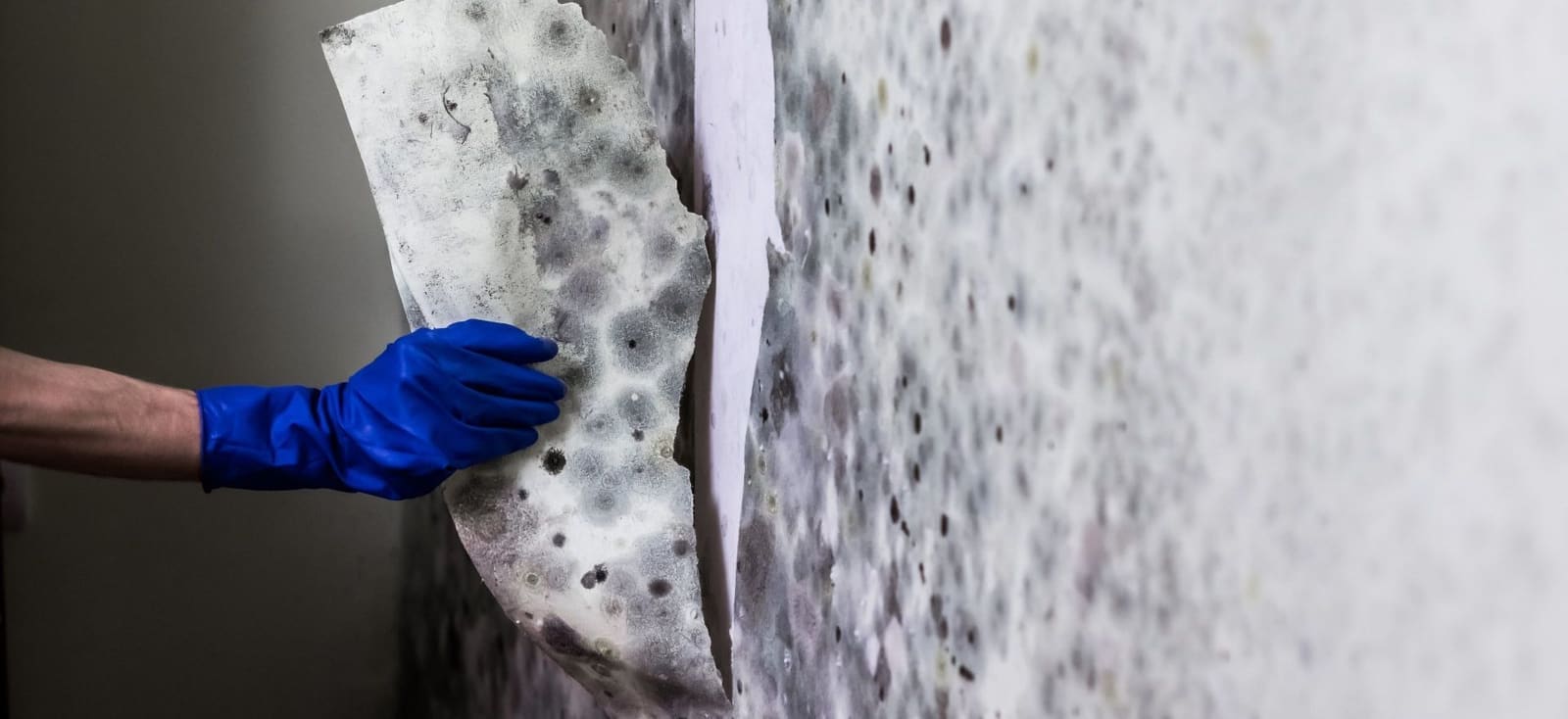
Mold growth can cause serious damage to building materials such as walls, floors, and ceilings. It can bring about discoloration, warping, and deformation, leading to an unappealing appearance that reduces the value of your home and impacts your health. For example, greenish-black mold growing on drywall and carpets may leave a musty odor in your home and stain or degrade the materials it is growing on. In addition, mold growing on wooden furniture and flooring can cause discoloration and structural damage over time. Therefore, it's essential to immediately address mold in your home to prevent further damage and protect your family's health.
Unpleasant Odors and Reduced Indoor Air Quality
Mold growth is a serious concern that can lead to breathing problems and other health issues. One of the main ways that mold affects indoor air quality is by producing unpleasant odors. As mold grows and spreads, it emits volatile organic compounds (VOCs) that can make the air in the affected space smell musty or earthy. These odors can be particularly strong in areas with high humidity or poor ventilation. Therefore, it's important to promptly address mold growth to ensure the health and well-being of those living or working in the affected space.
Increased Potential for Pest Infestations
Mold growth in homes, particularly black mold, poses serious health risks to exposed individuals. But in addition to the health hazards, mold can attract pests such as insects, rodents, and other animals. These pests are attracted to the moisture and dampness that mold provides and can further exacerbate the problem by damaging building materials and spreading mold spores. For example, insects like termites, carpenter ants, and powder post beetles can cause extensive damage to the wooden structures of homes, while rodents like mice and rats can gnaw through wires and insulation. Furthermore, pests can increase the concentration of mold spores in the air, increasing the risk of exposure and causing even more health problems. Therefore, it's crucial to address mold growth and pest infestations in homes as soon as possible to prevent further damage and harm.
Increased Potential for Future Water Damage or Mold Growth
Mold growth indicates underlying moisture problems that can pose serious hazards to human health. When moisture accumulates in enclosed spaces such as walls, ceilings, or carpets, it creates a breeding ground for mold. If left unchecked, mold can spread rapidly and release toxic spores to human health, leading to respiratory problems, skin irritation, and chronic illness in severe cases. Moreover, water damage caused by leaking pipes, roof leaks, or floods can further exacerbate the moisture issue. Therefore, immediately addressing the underlying moisture issue is imperative to prevent future water damage or mold growth. Failure to do so can cause costly damage to property and serious harm to human health.
Identification and Prevention
Mold growth in a home can be a serious issue that affects the health of those living within the contaminated environment. The Centers for Disease Control and Prevention (CDC) warns about the harmful toxic mold that can cause severe health issues, including respiratory problems, allergies, and aggravation of existing conditions. Identifying mold growth in a home is essential for preventing further damage and health issues. Visible signs of mold growth include discoloration of surfaces, peeling paint, and black or green stains. A musty odor is another major indicator of mold growth, which can often be detected in damp and humid areas of the home, such as bathrooms, basements, and attics.
Preventing mold growth is important to maintain healthy living spaces. Proper ventilation prevents moisture build-up, as mold loves damp environments. Installing exhaust fans in bathrooms and kitchens is essential to prevent moisture build-up and promote proper air circulation. It is also essential to control moisture levels by keeping indoor humidity below 60% and immediately addressing leaks and water damage. Water-damaged areas should be dried within 48 hours to avoid creating a favorable environment for mold growth. The Environmental Protection Agency (EPA) recommends dehumidifiers in areas prone to high humidity or moisture build-up. In addition, frequent cleaning and regular inspections can help prevent mold growth in a home. Following these guidelines can help maintain a healthy living environment and prevent harmful mold growth.
Remediation and Removal
Mold in the home can pose a serious health risk to those living within it. Not only can it cause allergies and respiratory issues, but prolonged exposure can result in much more dangerous conditions. That's why it's essential to work with a professional mold remediation company, like Romexterra Restoration, who can safely and effectively remove mold from your home.
The mold remediation process involves several steps, starting with an inspection to determine the extent of the damage. Next, the affected area must be contained to prevent the spread of mold spores to other areas of the home. This involves sealing off doors, windows, and vents. The actual removal of the mold involves using specialized equipment and chemicals to safely and completely remove any affected materials, such as drywall and insulation. Throughout the process, air quality is monitored to ensure it is safe to breathe. Working with a professional mold remediation company, like Romexterra Restoration, ensures these steps are followed thoroughly and safely, leaving your home clean and free from mold.
Working with us ensures mold removal is done safely, effectively, and efficiently. We have the necessary equipment and expertise to handle the removal process correctly. We also use specialized products designed to kill mold at its source, preventing the regrowth of mold spores. When choosing a reputable and reliable mold remediation company, look for certifications, experience, and customer reviews. A reputable company should be certified by the Environmental Protection Agency (EPA) and the Institute of Inspection, Cleaning, and Restoration Certification (IICRC). Additionally, ensure that the company has experience dealing with mold remediation and removal and has a proven track record of satisfied customers.
Fight the Mold in Your Home With Romexterra Restoration
When mold infests your home, it can wreak havoc on your health. To protect you and your family from the dangers of mold, it is important to be vigilant, keep your home dry, and promptly address any signs of mold growth. At Romexterra Restoration, we understand the importance of a healthy and safe home, so we provide reliable mold removal services to help you breathe easier. If you suspect mold in your home, don't hesitate to contact Romexterra Restoration for professional mold inspection and removal services. Our team of experts uses advanced techniques and equipment to remove mold safely and effectively, and we'll work quickly to get your home back to a healthy state. Contact us today for a free consultation or give us a call at (312) 549-9620.
< Older Post Newer Post >