


Mold is a serious issue that can disrupt the health and safety of a home or workplace. Mold inspection is crucial in identifying and remediating the problem before it becomes a major health hazard. Whether a homeowner or a business owner, you must know the dangers and potential sources of mold growth in your property. Mold can cause respiratory problems, allergies, and even neurological damage left untreated.
In this article, we will provide an in-depth analysis of the importance of mold testing and remediation. We will discuss the different types and signs of mold and the steps you can take to prevent mold growth on your property. We will also explore the methods and tools used for mold detection and remediation. By the end of this article, you will clearly understand how to protect your home or workplace from the dangerous effects of mold.
Common Signs of Mold
Mold growth in a moist house can be a serious problem. It can spread quickly and release spores into the air, harming your health. Often, mold can grow in hidden areas, so you may not detect it until it has spread. Therefore, it is essential to understand the common signs of mold growth and to test for hidden mold.
Common Signs of Mold Growth:
1. Musty Odors: A musty, damp smell in your home could indicate mold growth. The odor may be strongest in areas with high humidity or water damage.
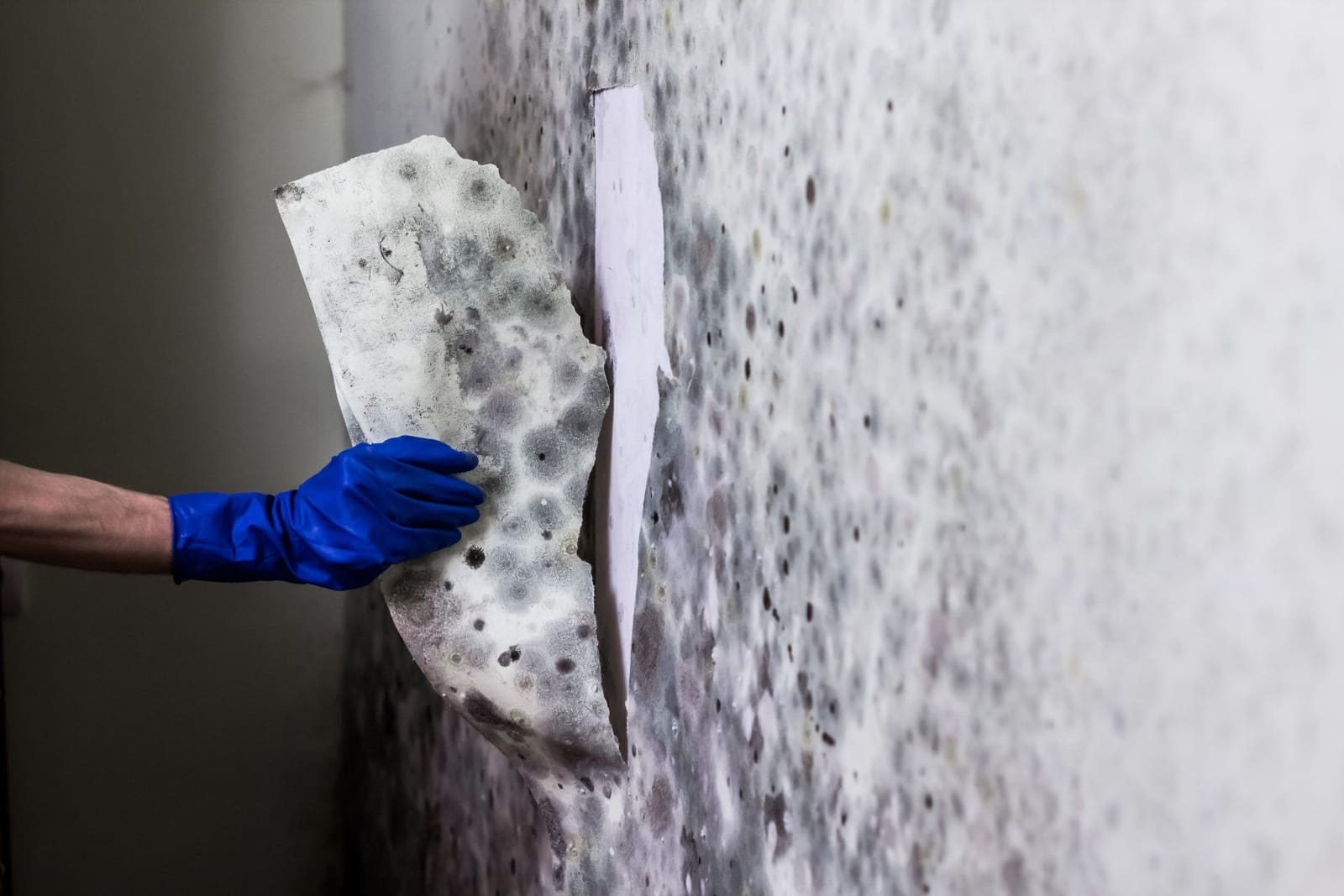
2. Visible Mold: Mold can appear in many colors and textures, ranging from white to green, black, or orange. It may grow on surfaces like walls, ceilings, and floors, as well as on fabrics and upholstery.
3. Water Damage: Moisture is the primary cause of mold growth. Water damage, leaks, and floods are common causes of moisture, and they can create the perfect breeding ground for mold.
4. Increased Humidity: High humidity levels can contribute to mold growth. Humidity levels above 60% create ideal conditions for mold to thrive.
5. Condensation: occurs when warm, moist air contacts a cold surface and forms droplets. Condensation can occur on windows, walls, and pipes, creating a damp environment that promotes mold growth.
Types of Mold
Mold is a type of fungus that can grow indoors and outdoors. Some common types of mold include black, white, and green. Exposure to certain types of mold can cause respiratory issues, skin irritation, and even serious allergic reactions.
- Alternaria: Alternaria is a genus of mold commonly found in water-damaged buildings. Inhalation of Alternaria spores can cause respiratory symptoms such as coughing, wheezing, and asthma. Additionally, Alternaria can produce allergens and mycotoxins that can cause skin irritation, eye irritation, and even damage to internal organs if exposure is prolonged. Therefore, proper remediation and prevention of water damage are crucial in minimizing the risks associated with Alternaria exposure.
- Aspergillus: Aspergillus is a type of mold commonly found in damp environments. While it poses little threat to healthy individuals, those with weakened immune systems or preexisting respiratory conditions are vulnerable to Aspergillosis, a serious and potentially fatal lung infection. Additionally, Aspergillus can cause significant damage to buildings and infrastructure as it rapidly spreads and feeds on organic matter such as wood, insulation, and drywall.
- Cladosporium: While it is not typically considered harmful to humans, exposure to high levels of Cladosporium can lead to respiratory problems and allergic reactions. In addition, prolonged exposure to this mold can cause damage to buildings and decrease air quality, making it important to address any infestations promptly.
- Penicillium: a mold commonly found in indoor environments such as homes, offices, and schools. While not all species are harmful, some can produce toxic substances called mycotoxins, which can cause respiratory problems, allergies, and other health issues. In addition to health risks, Penicillium can cause significant damage if left untreated, weakening structures and materials and causing unpleasant odors.
- Stachybotrys: commonly known as black mold, is a type of mold that grows in damp and humid environments. Exposure to this toxic mold can result in various health problems, such as respiratory issues, allergies, and even neurological disorders. In addition to its dangerous health effects, Stachybotrys can also cause significant damage to the structural integrity of homes and buildings if left untreated.
- Fusarium: Fusarium is a toxic mold commonly found in crop plants that can cause serious health hazards to humans and animals. This species can produce mycotoxins linked to respiratory issues, nervous system impairment, and cancer. Moreover, Fusarium can devastate entire crops and cause billions of dollars in damages to agricultural industries worldwide.
- Trichoderma: Trichoderma is a mold commonly found in indoor environments such as damp and humid areas like basements and crawl spaces. While it is generally considered non-pathogenic to humans, it is not always harmless. Trichoderma can cause respiratory issues in individuals with weakened immune systems and can contribute to the breakdown of building materials, potentially leading to structural damage.
Health Risks Associated with Mold Exposure
Mold exposure can pose serious health risks, including allergic reactions, respiratory issues, and neurological symptoms. The United States Environmental Protection Agency (EPA) notes that these symptoms can be exacerbated in people with allergies or asthma. Studies have shown that mold exposure can also cause new cases of asthma and other respiratory issues. In addition, some types of mold produce spores that can cause various health effects, including infections and even cancer. Furthermore, it is important to note that hidden mold can be particularly dangerous, as it can spread quickly, and remediation can come at a high price. Effective mold detection methods ensure homes and buildings are safe for occupants. Therefore, it is critical to address mold issues promptly to prevent negative health outcomes.
Allergic Reactions
Mold is a fungus that produces spores that can cause allergic reactions in some individuals. When inhaled, these spores can trigger an immune response that affects the respiratory system and other body parts, resulting in symptoms like sneezing, runny nose, and itchy eyes. Certain types of mold, such as Aspergillus, Penicillium, and Alternaria, are more likely to cause allergies than others. For example, Aspergillus is commonly found in damp indoor environments, while Penicillium is often observed in soil and decaying vegetation. Alternaria is prevalent outdoors and can be found in wood, soil, and plant debris. It's important to note that mold allergies vary widely depending on the individual, and some may experience more severe symptoms than others.
Respiratory Problems
Mold exposure can harm one's respiratory system and lead to various respiratory problems. When mold spores are inhaled, they can trigger an immune response and cause inflammation in the lungs. This inflammation can lead to coughing, wheezing, and shortness of breath. The mold types most likely to cause respiratory problems include Aspergillus, Penicillium, and Cladosporium. These molds are commonly found in damp areas, such as bathrooms and basements. In addition to mold, many other common respiratory irritants can cause similar symptoms, including dust, pet dander, and cigarette smoke. Therefore, reducing exposure to these irritants is important to maintain healthy respiratory function.
Headaches and Fatigue
Mold exposure can trigger various health issues, including headaches and fatigue. When inhaled, certain molds can provoke an immune response that leads to inflammation, which can cause headaches and fatigue. Common types of mold that can cause these symptoms include Aspergillus, Penicillium, and Cladosporium. Aspergillus can produce toxic compounds that damage the respiratory system, leading to headaches and fatigue. Penicillium can cause respiratory distress, sinusitis, and headaches, while Cladosporium can exacerbate allergies and asthma, leading to fatigue and headaches. Therefore, it is crucial to identify and remove mold from indoor environments to prevent the onset of these adverse health effects.
Skin Irritation
Mold exposure can cause skin irritation and rash due to the allergens and irritants present in the mold spores. In addition, some people have a hypersensitive immune system that reacts to these irritants, causing skin inflammation. The mold types most likely to cause skin irritation include Aspergillus, Penicillium, Cladosporium, and Alternaria. Examples of common molds that can impact skin health include black mold, green mold, and white mold. Symptoms of mold exposure on the skin may include itching, redness, swelling, and scaling and can be aggravated by contact with damp or moist surfaces. Therefore, it is essential to take preventative measures and ensure proper mold remediation to avoid negative impacts on skin health.
Fungal Infections
Mold exposure can significantly increase the risk of fungal infections, especially in individuals with weakened immune systems. In addition, mold spores can infiltrate the respiratory system and cause various respiratory illnesses, including allergies, asthma, and fungal infections. Aspergillus fumigatus, for example, is a common type of mold that can cause invasive aspergillosis, a life-threatening fungal infection that chiefly affects immunocompromised individuals. Other molds commonly associated with fungal infections include Candida albicans, Fusarium, and Stachybotrys chartarum, the latter of which is commonly known as "black mold" and can cause respiratory illness and other health problems in both healthy and vulnerable individuals.
Neurological Symptoms
Numerous studies have established a clear link between mold exposure and neurological symptoms, including memory loss and mood changes. In addition, various studies have demonstrated the association between mold exposure and cognitive impairment, suggesting that long-term exposure to high mold levels can lead to problems with memory, attention, and concentration. In addition, exposure to certain types of mold has been linked to depression, anxiety, and other mood disorders. For example, the mycotoxin produced by the infamous black mold species Stachybotrys chartarum has been associated with more serious neurological symptoms, such as tremors, seizures, and coma.
Immunological Reactions
When mold spores are inhaled, they can trigger an immune response that can lead to symptoms such as fever, respiratory distress, and even asthma. Common molds such as Aspergillus, Penicillium, and Stachybotrys have been known to cause these reactions. In addition, these molds release mycotoxins which can suppress the immune system's ability to fight off infections, making individuals more susceptible to illnesses. In severe cases, prolonged mold exposure can lead to serious respiratory issues and even death.
Toxicity From Mycotoxins
Mycotoxins are toxic compounds produced by certain molds that can cause various health problems when ingested, inhaled, or touched. These toxins can accumulate in various food products, water-damaged buildings, as well as in crops and animal feed, posing a risk to human and animal health. Some of the most common mycotoxin-producing molds include Aspergillus spp., Penicillium spp., and Fusarium spp. Depending on the type and amount of mycotoxins present, these molds can cause respiratory problems, allergic reactions, neurological disorders, and cancer.
Sudden Infant Death Syndrome (SIDS)
Indoor air pollutants like mold have been linked to an increased risk of Sudden Infant Death Syndrome (SIDS). Several studies have shown that mold exposure can negatively impact infant health, specifically increasing the likelihood of respiratory issues, contributing to SIDS. Additionally, mold exposure has been linked to an increased risk of asthma and allergies in children. For example, oneFor example, one study found that infants exposed to higher mold levels in their homes were nearly three times more likely to develop asthma than those with lower levels of mold exposure. Furthermore, infants who live in damp or moldy environments are also at an increased risk of developing respiratory infections. These findings highlight the importance of maintaining clean indoor air quality, particularly in households with young infants.
The Mold Testing Process
When facing mold growth in your home or business after floods or water damage, the first step is to get a mold inspection to assess the situation. Mold professionals will collect air and surface samples from affected areas and send them to a laboratory to be analyzed. Samples may be analyzed for the presence and type of mold and the concentration of mold spores in the air. Working with professionals to interpret the results is critical, as they will determine the appropriate remediation plan and price for the mold remediation process. Acting quickly to avoid further damage and reduce health risks associated with mold exposure is crucial. Trusting experienced mold professionals will ensure your home or business is properly handled and restored to a healthy environment.
Preventing Mold Growth
Preventing mold growth in the home is crucial as it can cause various health issues and damage to the house. One effective way to prevent mold growth is to regularly test the moisture level in the house, especially in areas prone to water damage, such as the bathroom and kitchen. It's also important to schedule house mold inspections regularly to detect any signs of mold growth early on. To reduce moisture, it's essential to immediately fix any water leaks or damages and ensure proper ventilation in the house, especially in high-humidity areas. Maintaining proper humidity levels in the home, preferably below 60%, can also help prevent mold growth. A dehumidifier can be used to decrease humidity levels. Finally, when dealing with mold, seeking professional assistance is advisable to ensure effective removal and prevent further damage. Taking proactive measures to prevent mold growth can save homeowners from significant health risks and expensive repairs.
Protect Your Home With Romexterra Restoration
Mold can lead to serious health issues and cause damage to your home. To ensure the safety and well-being of your family, it is imperative to have mold testing conducted. Once mold has been detected, a remediation plan should be implemented immediately. Romexterra Restoration in Chicago, IL, provides exceptional mold remediation services to help eliminate every trace of mold in your home. Don't risk your family's health; contact Romexterra Restoration today and book a thorough mold inspection appointment. Together, we can make your home safer and healthier.
< Older Post Newer Post >