
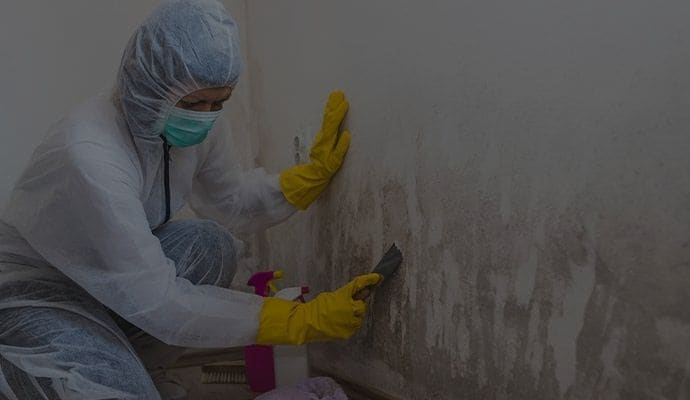
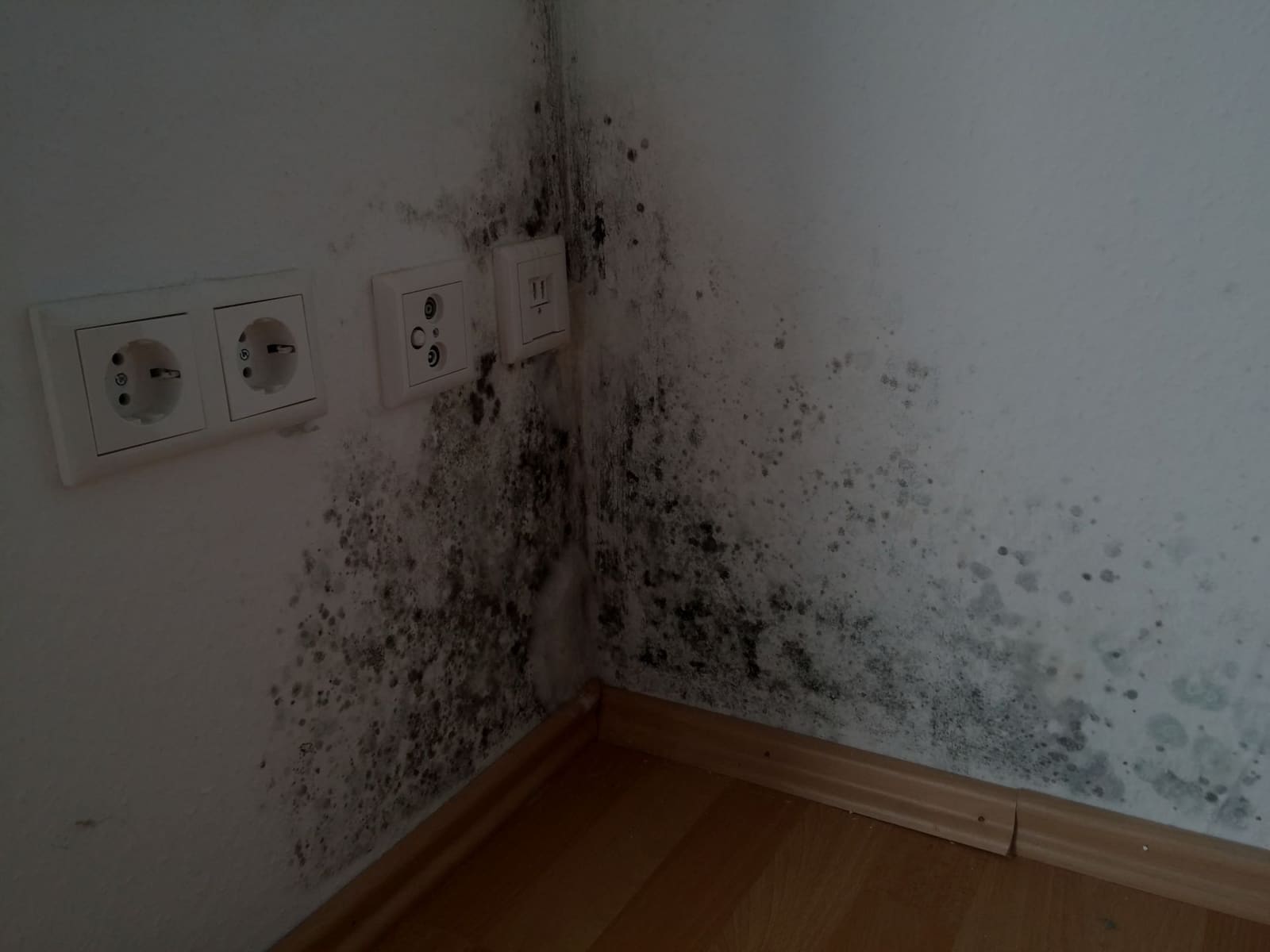
Understanding the factors that contribute to mold growth in your home is essential for maintaining a healthy living environment. Mold thrives in moist, warm conditions, and its presence can lead to significant health issues and structural damage. Identifying what causes mold is the first step towards effective prevention and ensures the longevity of your property. This guide will explore the various contributors to mold growth, such as humidity levels, water intrusions, and inadequate ventilation. Throughout this comprehensive article, we will provide detailed insights into recognizing susceptible conditions, practical prevention strategies, and professional mitigation solutions tailored to safeguarding your home against mold infestation.
Understanding the Causes of Mold
Mold's pervasiveness is often a quiet assailant, emerging from unassuming conditions in residential and commercial structures alike. Our expertise allows us to decode these enigmatic conditions, offering a didactic exploration into the moisture-rich environments where mold proliferates. The following are the causes of mold.
Moisture
The paramount factor in mold proliferation is an abundance of moisture. Homes can unwittingly foster conditions ripe for mold by possessing unchecked sources of dampness. Common culprits include leaks from roofs, pipes, or windows, all of which surreptitiously introduce water into the home's interior. Even seemingly harmless occurrences, like condensation, can escalate into mold-friendly environments when droplets accumulate on cool surfaces near warmer areas, often going unnoticed until the issue becomes pervasive.
Ambient humidity levels significantly influence mold growth; a relative humidity above 60% can create an ideal setting for spores to flourish. Moisture can also arise from everyday activities — such as bathing, cooking, and drying clothes indoors — which, without adequate ventilation, further exacerbate humidity.
Thorough inspections for leaks, regular maintenance of HVAC systems, and judicious use of dehumidifiers are all strategic defenses against the encroachment of moisture and, consequently, mold. The imperative for homeowners is to maintain rigor in managing interior climate and moisture to preclude mold's establishment and maintain both property integrity and indoor air quality.
Poor Ventilation
A frequently overlooked yet fundamental cause of mold growth is poor ventilation. Inadequate air circulation within a space can directly contribute to the proliferation of mold by creating pockets of stagnant, moisture-laden air. A room devoid of proper airflow becomes a hotbed for humidity, allowing moisture to linger and saturate the surroundings. This becomes particularly problematic in areas like bathrooms and kitchens, where water usage is high, and vapor is regularly produced. When ventilation systems are either underperforming or absent, the moisture generated from everyday activities has nowhere to escape, escalating relative humidity levels to a state favorable for mold spores to take root and thrive.
Proper ventilation is crucial in ensuring that moist air is exchanged with drier outside air, thus aiding in the equilibrium of indoor humidity levels and promoting the evaporation of residual surface moisture. Ventilation strategies, such as the installation of exhaust fans in high moisture zones and ensuring air conditioning systems are well-maintained, serve as proactive measures to combat the stagnant conditions under which mold flourishes. It is a reminder that the battle against mold is not merely about removing its presence but preventing its very genesis through a rigorous, well-aerated environment.
Water Damage
Water damage, when left unchecked, escalates into a critical catalyst for mold proliferation within homes and establishments. Even minor incidents of water infiltration should command immediate attention, for they create an environment where mold can thrive. Minor leaks can be deceptive in their perceived insignificance, yet their continuous presence sets the stage for a humidity increase conducive to mold growth. Over time, the accumulation of this moisture in materials such as wood, drywall, or carpeting becomes a veritable breeding ground for mold.
The integrity of a structure's moisture barrier is paramount in forestalling mold colonization. When that barrier is compromised by water damage, be it from flooding, spills, or plumbing malfunctions, it is not merely the visible aftermath that must be addressed but also the invisible — the saturation of building materials that often go undetected until the damage has progressed. This stealthy degradation of materials not only undermines the structural solidity of a property but perpetuates a hidden hazard in the form of mold.
Our expertise in restoration acknowledges the urgency of tackling water damage head-on. With precise, industry-specific remediation techniques, we zero in on moisture intrusion points and rectify them. Professional drying and dehumidification processes are employed to restore the affected areas to their pre-damage dry standard, thereby creating an inhospitable environment for mold and securing the health of both inhabitants and the building itself.
High Humidity
High indoor humidity is a leading contributor to mold propagation, as it provides the moisture that mold spores need to grow. Residences with poor drywall insulation can exacerbate this issue, as moisture from the air can easily penetrate and become trapped within wall cavities, creating a fertile breeding ground for mold. Everyday domestic activities, such as cooking, showering, and even the act of breathing, emit water vapor, elevating the humidity level of the surrounding environment. In the absence of adequate ventilation, this excess moisture saturates the air and surfaces within the home, enhancing conditions favorable for mold growth.
The key to mold prevention in high-humidity settings lies in controlling the indoor climate. Measures such as utilizing exhaust fans, implementing strategic airflow solutions, and maintaining optimal drywall insulation can significantly mitigate moisture accumulation. It is critical to recognize that effective humidity management is fundamental not only to thwarting mold development but also to ensure the longevity and safety of the home's structural components and the well-being of its inhabitants. Our professional knowledge underscores the importance of assessing and correcting high humidity problems to protect property and health with unwavering diligence.
Poor Insulation
Poor insulation is a significant but often overlooked facilitator of mold growth. Inadequate insulation fails to effectively regulate temperature, leading to marked fluctuations that can produce condensation within the walls – a veritable oasis for mold. This condensation occurs when warm air encounters cold surfaces, the temperature disparity causing moisture to collect and persist. Such conditions, prevalent in areas with substandard insulation, invite mold to take hold and proliferate.
The ramifications of improper insulation are twofold; it not only contributes to energy inefficiency but also compromises the indoor air quality by fostering mold development. In essence, proper insulation acts as a thermal barrier, stabilizing the internal climate of a building and deterring the formation of condensation. Without it, walls can turn cold and damp during cooler months, adequately setting the stage for mold spores to germinate and diffuse. Our remedial actions concentrate on enhancing insulation quality to obviate these thermal inconsistencies and secure the structural integrity against mold colonization.
Lack of Sunlight
Lack of sunlight within a property significantly contributes to the conditions conducive to mold growth. Sunlight is a natural antiseptic, emitting ultraviolet (UV) rays known for their ability to disinfect and inhibit the growth of mold. In areas of a home that receive little to no sunlight, there is an absence of this natural mold deterrent, leading to increased humidity levels and a conducive environment for mold spores to settle and multiply.
Dimly lit areas, especially those with limited airflow, become silent havens for mold. These stagnant zones permit moisture to linger on surfaces longer, lacking the sunlight's warmth, which helps to evaporate excess dampness. Mold thrives in these moist conditions, hidden from the clarifying effects of natural light. Consequently, spaces like basements, closets, and bathrooms often become hotspots for mold infestation due to their frequent lack of adequate sunlight.
Our company leverages this understanding to address mold-prone areas effectively. Through a combination of moisture control, the introduction of artificial UV light sources where applicable, and the strategic improvement of natural light penetration, we work to emulate the preventative effects of sunlight. This integrated approach ensures we maintain the delicate balance necessary for a mold-resistant environment, showcasing our commitment to safeguarding properties with precision and expertise.
Poor Cleaning Habits
Poor cleaning habits play a key role in the lifecycle and proliferation of mold within an indoor environment. Failure to regularly remove dust, dirt, and organic debris compromises the cleanliness of space and inadvertently delivers an abundance of nutrients that mold spores feast upon. These particulates, combined with moisture, create an optimized breeding ground for mold to thrive. Moreover, neglecting to promptly address spills, leaks, and other sources of moisture establishes the ideal conditions that mold requires to grow.
Insufficient cleaning regimens lead to an accumulation of organic materials on surfaces, particularly in hard-to-reach areas, which becomes a banquet for mold spores. Furthermore, ongoing neglect can form layers of grime that not only provide sustenance for mold but also conceal its presence, allowing it to spread unchecked. It is, therefore, imperative for the maintenance of a healthy indoor environment to establish regular and thorough cleaning protocols, coupled with immediate moisture management, to prevent mold from establishing a foothold. Our professional acumen is tailored to guide property owners in adopting cleaning practices that thwart the opportunistic nature of mold, underscored by our assurance in nurturing safe and mold-resistant dwellings.
Organic Material
Organic materials are fundamental to mold growth, offering the necessary nutrients for spores to flourish. Materials such as wood, paper, and fabric are particularly hospitable to mold when combined with moisture. In structures, items like drywall and insulation may appear inert, yet when dampened or wet, they create a thriving ecosystem for mold. Drywall, for instance, is often lined with paper and can absorb water, turning into fertile ground for mold. Similarly, varieties of insulation, if wet, can hold moisture for prolonged periods, not only diminishing their thermal resistance but also fostering an optimal environment for mold proliferation. The concern extends beyond visual compromise – the invasion of mold threatens structural integrity and indoor air quality. Careful attention to the moisture levels in organic building materials is a cornerstone of our professional intervention. We aim to safeguard the meticulous balance necessary to maintain these elements in a state resistant to mold, thereby affirming our unwavering commitment to restoring and preserving the health of our clients' properties.
How to Prevent Mold in Your Home
Implementing preventative measures is critical in the battle against mold. It not only protects the structural integrity of your home but also promotes a healthier living environment. Below are strategic steps for homeowners to prevent mold growth:
- Monitor Indoor Humidity: Aim to keep indoor humidity below 60%. Humidity levels can be managed with dehumidifiers and smart thermostats, which help to track and regulate air moisture, reducing the likelihood of mold proliferation.
- Proper Ventilation: Ensure bathrooms, kitchens, and laundry areas are well-ventilated. Exhaust fans or open windows help to dispense moisture created during cooking, bathing, and washing activities, which is critical in curtailing mold growth.
- Prompt Leak Repairs: Address water damage without delay by fixing leaks as soon as they are detected. Prompt action prevents moisture from seeping into porous materials, thereby denying mold the opportunity to establish a foothold.
- Adequate Insulation: Correct insulation is instrumental in preventing condensation, particularly on cold surfaces. Ensure your home is adequately insulated to avert the formation of condensation, which can induce mold germination.
- HVAC Maintenance: Cleaning and maintaining your Heating, Ventilation, and Air Conditioning (HVAC) system, including filters and ductwork, is paramount. Consistent maintenance eradicates potential mold spores and hinders their circulation through your living spaces.
- Regular Cleaning: Frequent dusting and cleaning of your home remove potential food sources for mold. By maintaining cleanliness, especially in moisture-prone areas, you substantially diminish the conditions conducive to mold growth.
- Mold-Resistant Products: Utilize mold-resistant items in high moisture zones like bathrooms and basements. These products are designed to endure dampness without compromising integrity, offering an additional line of defense against mold development.
Mold Problems? Call Romexterra Restoration!
When confronted with mold, time is of the essence, and expertise is paramount. Romexterra Restoration is your unwavering ally, delivering state-of-the-art remediation services to restore the sanctity of your home or business. Our seasoned professionals wield cutting-edge technology and proven methodologies to efficiently identify, treat, and thwart mold proliferation. We don't merely address the symptoms; we eradicate the root cause. Entrust your property's well-being to Romexterra Restoration and experience the peace of mind that comes with comprehensive mold remediation. Contact us now to safeguard your space from mold's insidious grasp.
< Older Post Newer Post >