
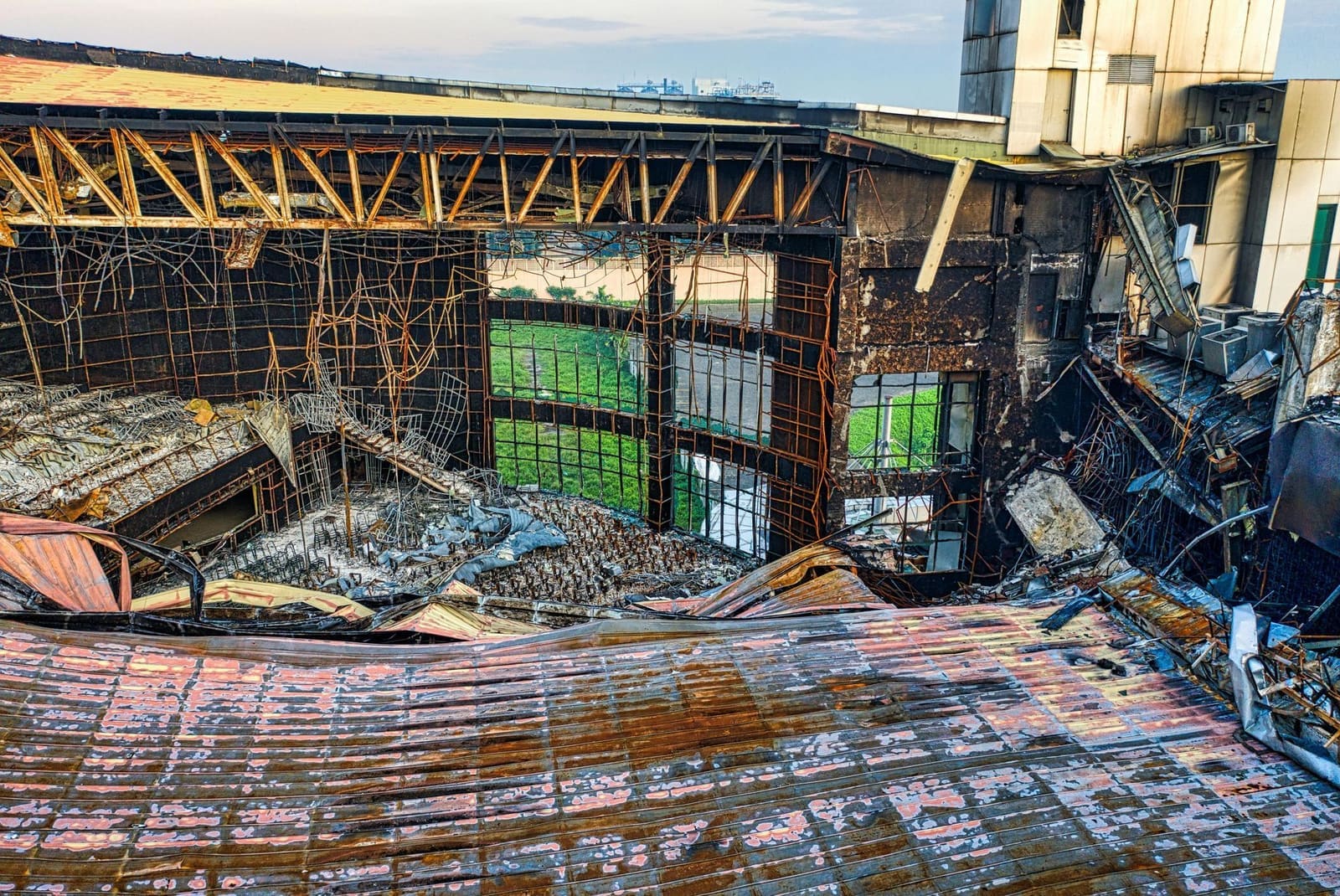
Every year, fires caused by cooking account for hundreds of millions of dollars in damage and thousands of deaths. The risks are particularly high in households where safety measures are not taken seriously or are overlooked altogether. In this article, we'll provide an overview of the dangers posed by cooking-related fires and discuss several tips for reducing the risk of a kitchen fire in your home.
According to the National Fire Protection Association, cooking is the leading cause of house fires in the United States and accounts for more than 42% of all residential fires reported each year. These fires can have devastating consequences, from property destruction and loss of life to financial implications and even psychological trauma.
Understanding the Risk Factors
Cooking is one of the most common causes of home fires, but it can be prevented with careful attention and proper precautions. Although it may sound obvious, never leave cooking unattended—this is a major safety risk that should always be avoided. Also, take extra care when using oil and fat for frying, as these substances are highly flammable.
Heating equipment such as gas stoves and electric space heaters can also cause fires when they're not used safely or maintained properly. Ensure that all heating sources in your home are kept clean and free from debris and never block ventilation points or exhausts. Make sure to keep an eye on the pilot light in gas appliances, and make sure that electric space heaters are kept away from combustible materials.
Understanding the Common Causes of Home Fires
Most house fires are caused by cooking and food preparation. Kitchens can be dangerous places if safety precautions aren't taken. To protect your home from cooking-related fires, make sure to pay attention to the following safety tips.
Cooking-related Fires
Cooking fires are very common and can be caused by various factors, such as unattended cooking, mishandling of hot oil, or malfunctioning appliances. Unattended cooking is a common cause of home fires. It includes leaving pots on the stovetop, which can easily be forgotten and lead to scorching or boiling-over of food. Hot oil is another common cause of cooking fires, as it can easily overheat or be splashed onto surfaces or people. Malfunctioning cooking appliances, such as stoves, ovens, microwaves, and toasters, can also spark a fire due to faulty wiring or power surges. To avoid these dangers, it is important to always keep an eye on cooking food, properly manage hot oil, and regularly inspect appliances for any issues.
Electrical Fires
Faulty wiring, overloaded circuits, and misuse of electrical appliances are some of the most common causes of cooking fires. It's important to be aware of potential warning signs that could indicate an impending problem. If you notice your outlets or switches feeling hot, see sparks when you plug in or unplug something or smell a burning odor coming from any electrical equipment, you should immediately contact an electrician and take necessary safety precautions.
Additionally, make sure all kitchen appliances are in sound working condition before use. Regularly inspect cords for damage, such as fraying or exposed wires to avoid potential electrical hazards. Furthermore, unplug appliances when they're not in use – especially when leaving the house – to help prevent power surges and even electrical fires.
Heating Equipment Fires
Improper maintenance of heaters, fireplaces, and furnaces can be a major cause of fires. To prevent these incidents from occurring, make sure to regularly inspect your heating equipment for signs of wear and tear. Check for any loose parts or frayed wiring that could spark a fire, as well as the overall condition of the heater itself. Additionally, you should consult your heating device's manual regularly for any special maintenance instructions and keep the area around your heater clean from any combustible items. Finally, avoid overloading a space with too much heat by keeping the thermostat set to a reasonable temperature. Taking these proactive steps can help ensure that your heater is functioning safely and prevent potential fires due to improper maintenance.
Fire Prevention Tips
Why is it important to know some fire prevention tips? Cooking fires are one of the leading causes of home fires and injuries in the United States. According to the National Fire Protection Association (NFPA), cooking remains the leading cause of home structure fires and fire-related injuries, accounting for 32% of all home fires.
Regular Inspection and Maintenance
Fire safety equipment for the home is important, and regular inspection and maintenance of fire-prone areas can help reduce the risk of a fire in your household. Professional inspection services like Romexterra Restoration are able to provide the necessary expertise to identify potential risks that you may not recognize yourself.
Romexterra Restoration uses cutting-edge technology to detect potential fire hazards before they become a problem. From checking for faulty or outdated wiring to looking for inadequate insulation, Romexterra Restoration will help you ensure your home is as safe and secure as possible. Furthermore, they can also provide tips on how to properly use fire-prone appliances such as stoves and ovens in order to reduce the risk of a cooking fire.
Proper Storage of Flammable Materials
Flammable substances such as cooking oils, grease, and aerosols can be highly combustible under the right conditions. When not stored properly, these materials increase the risk of cooking fires in homes and businesses. It is important to follow safety guidelines for storing flammable substances:
- Store all flammable liquids away from sources of heat and flame, like stoves or ovens.
- Keep combustible materials in a cool, dry place, preferably in their original containers.
- Stored flammables should be clearly labeled and kept out of reach of children.
- Containers used to store flammable liquids should be properly sealed when not in use.
Fire-Resistant Building Materials
Fire-resistant materials can prove to be invaluable in reducing the potential for serious damage from cooking fires. Common examples include fire retardant drywall, panels made of fiberglass or mineral wool insulation, and even some interior wall paints. All these options can act as a physical barrier between a flame and combustible materials like wood or paper.
For extra home fire damage protection, you can also add flame-resistant window coverings, such as curtains, blinds, or shades. This will help protect against the spread of fire through home windows. In addition, smoke detectors and sprinkler systems are highly recommended for additional safety precautions in case of a kitchen fire.
Smoke Detectors and Fire Alarms
Smoke detectors and fire alarms are essential for keeping your family safe in the event of a cooking fire. Make sure to install them on every level of the house and in each bedroom. Locate them away from windows or vents where air drafts may deactivate them. Ensure that you test them monthly to ensure they're working correctly. Replace the batteries twice a year.
In addition, never leave food unattended on the stove or in the oven. If you must leave, even for just a few minutes, turn off the heat source first. Never cook while under the influence of alcohol or drugs, and always take safety precautions when working with hot grease or oil.
Finally, keep flammable items away from the stove, including paperwork and curtains. Taking these steps can help prevent smoke damage from a cooking fire and keep your family safe.
Fire Extinguishers
Cooking is a great way to make delicious meals for the whole family, but it also poses a potential fire risk if the proper safety measures are not taken. As such, it's important to know what steps you should take if there's an emergency when cooking in your kitchen. One of these steps is to have accessible fire extinguishers in key areas of the home, such as the kitchen or garage.
Fire extinguishers come in several different types, so it's important to understand how each type works and when it should be used. For instance, a dry chemical type of fire extinguisher is best for fires caused by cooking oil and grease, while a CO2-type fire extinguisher is best for electrical fires. As such, it's important to select the appropriate extinguisher based on the type and size of fire you are dealing with.
Fire Safety Plan
Creating a well-thought-out fire escape plan is an important step in protecting your family from the risks of cooking fires. It helps you to identify potential hazards before they become dangerous and allows everyone to know exactly what to do in an emergency. To create an effective fire escape plan:
- Map out each room of your home, paying special attention to windows and doors. Identify two or more escape routes from each room.
- Designate an outside meeting place away from the home where everyone can safely meet in case of a fire.
- Make sure that all family members know the plan and are comfortable with it; practice periodic drills in order to master the plan and identify any possible obstacles.
- Instruct family members to stay low and crawl beneath the smoke when exiting the home. This will help keep them out of harm's way.
- Keep an up-to-date fire extinguisher in each room of your house, and educate yourself on how to use it properly.
The Aftermath: Recovering from a Home Fire
When cooking, it's important for everyone to be aware of the risks posed by a kitchen fire. Grease, oil, and other cooking materials are highly flammable and can cause fires if not closely monitored. To help prevent kitchen fires:
- Always keep an eye on what you are cooking—never leave a pot unattended.
- Keep combustible materials away from the stovetop and oven, including dish towels, potholders, and food wrappers.
- Have a fire extinguisher on hand in case of an emergency.
- Make sure all electrical cords near the stove are tucked away to avoid accidental contact with hot surfaces.
- Turn off the stovetop and oven when done cooking.
In the event of a kitchen fire, it is important to act quickly and safely. First, turn off the heat source if possible. Next, evacuate everyone from the building and call 911 for emergency services. Have any residents in the home checked by medical professionals if necessary.
Ensuring a Fire-Proof Future with Romexterra Restoration
Taking steps to reduce the risk of fire is crucial for keeping your family safe. Regular inspections of kitchen equipment and appliances are also a must. Check hoses for cracks or leaks, ensure that the wiring is safe, and inspect gas lines for any suspicious signs. If you suspect a problem, it's best to call in a professional immediately.
At Romexterra Restoration, we understand how devastating fire damage can be, which is why we provide 24/7 emergency services to help get your home back to normal as quickly as possible. Our experienced technicians are available around the clock to provide you with fast, efficient, and cost-effective fire restoration services. If you've experienced a fire in your home, don't hesitate to contact us today for help!
< Older Post Newer Post >